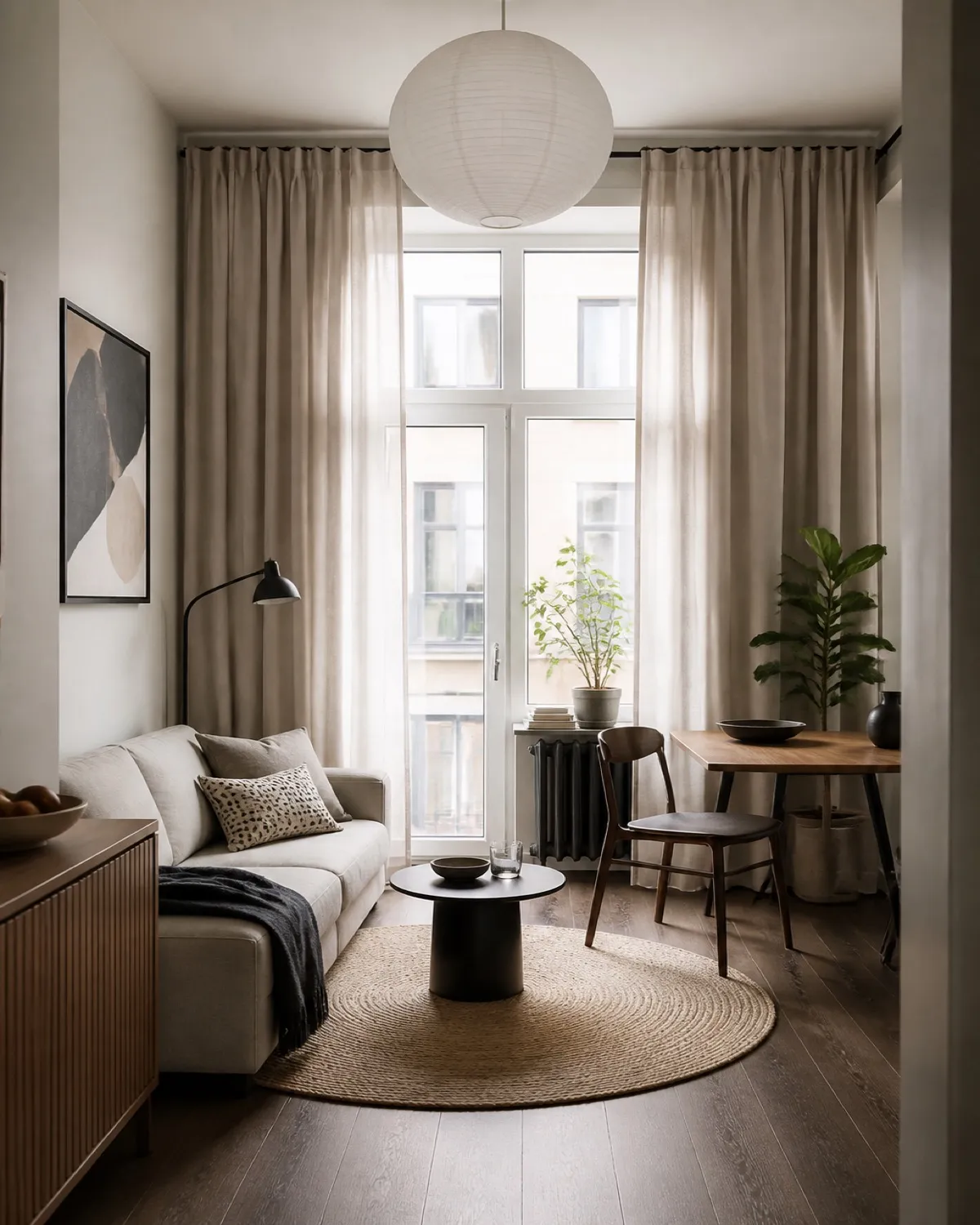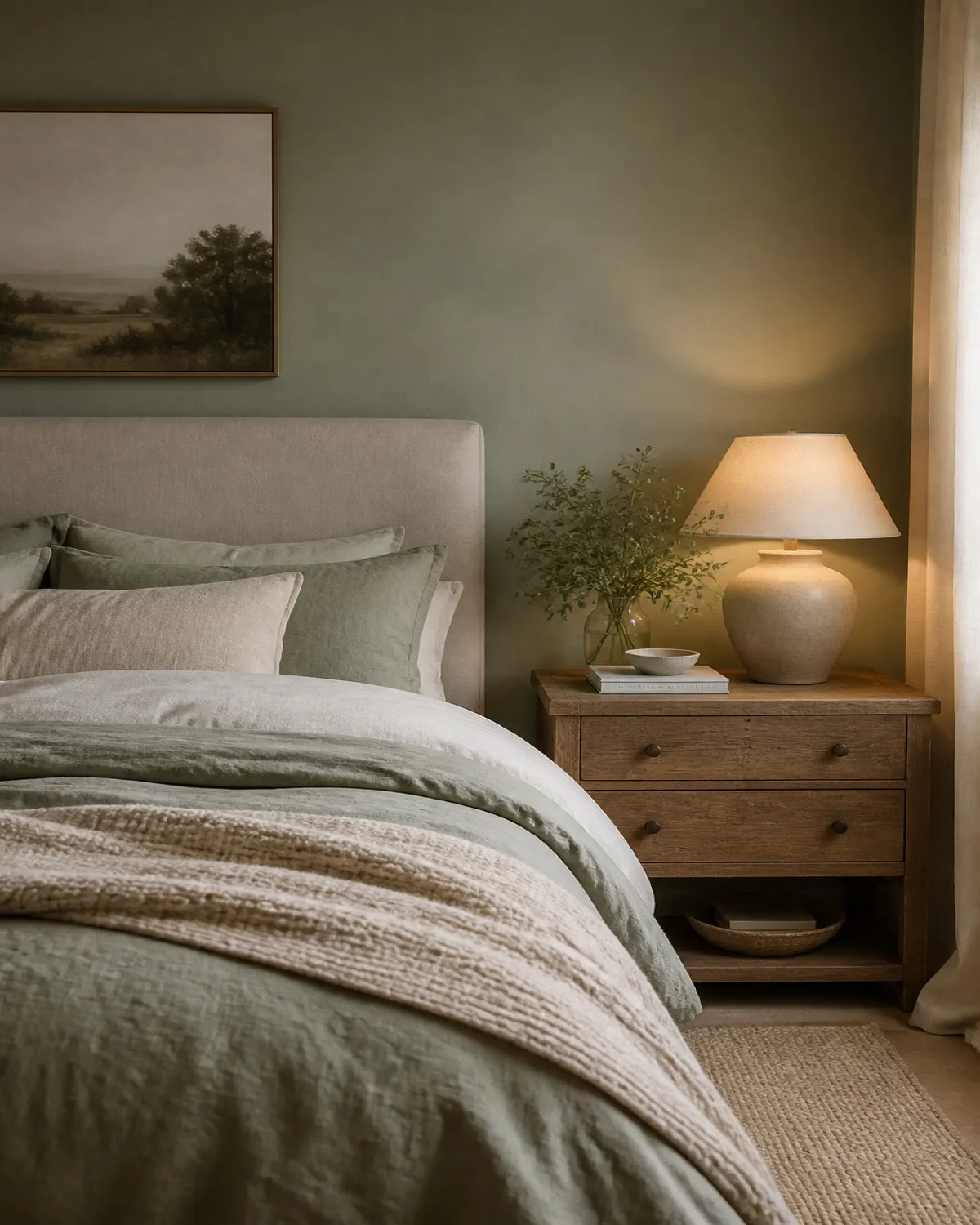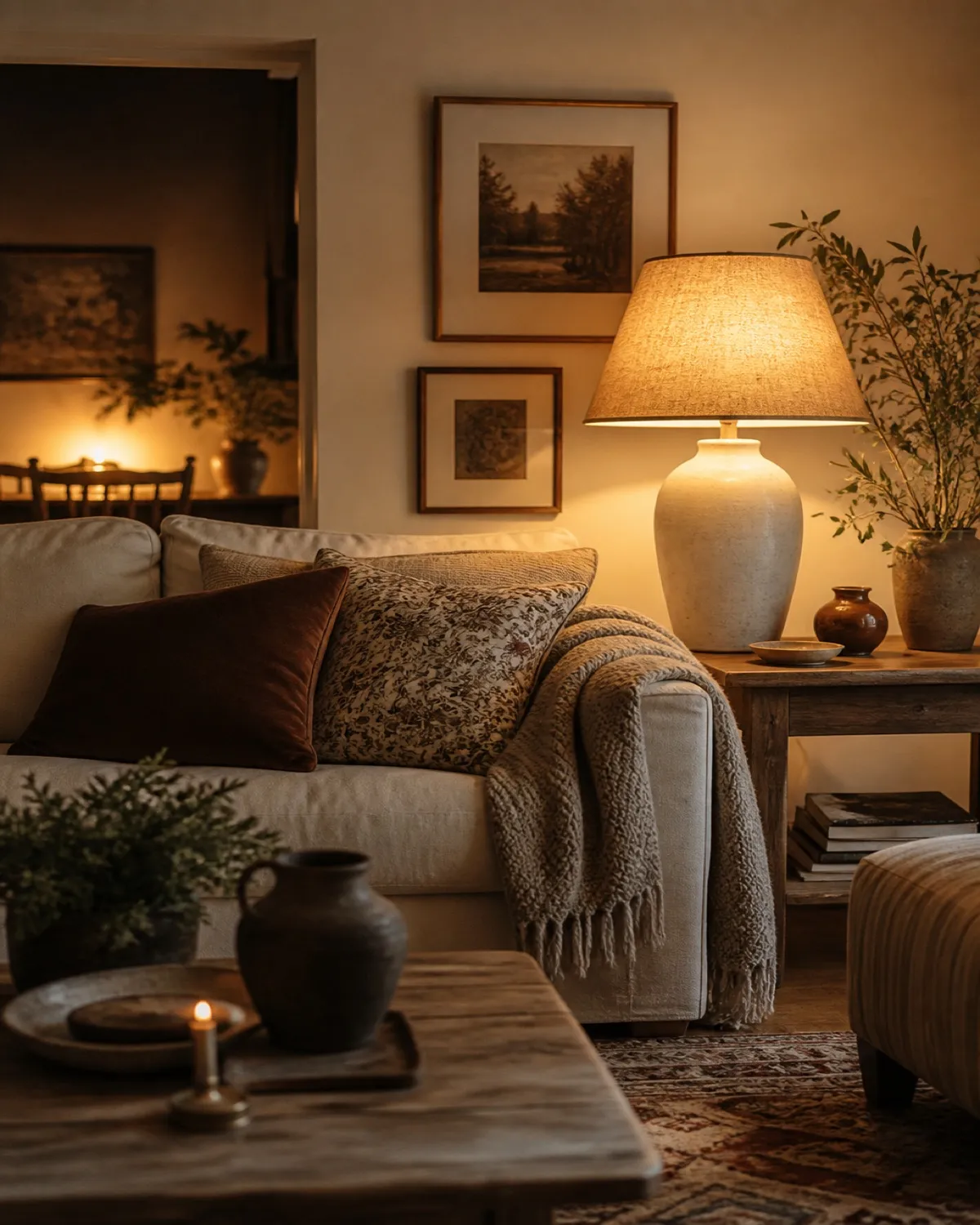
15 Cozy Fall Home Decor Ideas for 2026 That Make Any Room Feel Expensive
15 fall home decor ideas for 2026 — lighting, texture, color, and styling that make apartments and small rooms feel warmer and more polished.
Making a home feel expensive in fall rarely starts with a new sofa. It starts with how light lands on fabric, how color sits against wood, and whether surfaces look considered instead of crowded. The best fall home decor ideas work the same way in a studio apartment as they do in a larger house: a few deliberate changes in lighting, texture, and styling can shift the whole mood of a room.
This guide is for people who want warm autumn home decor without a renovation budget. Each idea is practical, apartment-friendly, and built around pieces you can add gradually — lamps, textiles, rugs, ceramics, and one or two stronger accents — so your space looks collected rather than seasonally overloaded.
If you want a broader living-room plan after the seasonal edits, pair these ideas with cozy living room ideas on a budget or small apartment living room ideas that feel bigger.
1. Warm the room with layered lighting
A single bright ceiling fixture flattens everything — wood grain, pillow texture, even good paint. Layered lighting fixes that by giving the eye multiple soft pools of light instead of one hard wash.
Use three heights when you can: a table lamp at seating level, a floor lamp in a dark corner, and a dimmed overhead or wall light if you have one. Keep bulbs in the warm white range, around 2700K. Cool light makes autumn colors look chalky and rooms feel unfinished after sunset.
Why it reads as expensive: Hotels and well-designed living rooms rarely rely on overhead glare. Multiple soft sources create depth and shadow, which makes even ordinary furniture look more intentional.
Start with the lamp you already own and add one more source where the room goes dark at night. A fabric shade softens the bulb; a ceramic or wood base ties the light into the rest of the room.
A compact touch-dimmable lamp with a flaxen fabric shade is an easy first add — soft enough for living-room evenings, small enough for a nightstand, and practical when the base also handles charging so the side table stays clear.
If a corner still disappears after dark, add a slim floor lamp there next — the second height is what turns one nice table lamp into true layered lighting.
2. Swap in rich autumn-colored throw pillows
You do not need a full textile overhaul. Two or three pillows in rust, cognac, olive, deep clay, warm taupe, or a muted blue can shift a neutral sofa into fall decorating territory without looking temporary.
Keep the base neutrals you already like — cream, oatmeal, charcoal — and treat deeper color as accents. Mix one solid, one soft pattern, and one textured weave so the sofa has depth instead of a matching set look. In a small living room, larger pillows (18–22 inches) often look cleaner than a pile of tiny ones.
Why it works: Color is one of the fastest cues of season, and rich mid-tones photograph and feel more polished than bright orange novelty prints. Restraint is what keeps fall pillow styling from reading as costume.
If your sofa is already patterned, stick to solids and texture. If it is plain, one quiet stripe or small-scale print is enough. Soft corduroy is an easy texture upgrade: the ribbed surface catches lamp light, and warm brown sits closer to cognac and clay than bright seasonal novelty prints.
A pack of brown corduroy covers lets you restyle what you already own — swap inserts into new covers for fall, then rotate back when the season ends.
3. Drape a textured throw where people actually sit
A throw that stays folded in a basket does nothing for the room. Drape one over the arm of the sofa, the foot of the bed, or the chair you use in the evening so the fabric becomes part of the composition.
Choose texture over loud pattern: chunky knit, soft bouclé, washed cotton, or a light wool blend in cream, camel, or muted rust. In apartments, one substantial throw usually looks better than three thin ones competing for attention.
Why it feels more polished: Texture catches lamp light. That soft shadow and highlight is what makes a seating area look finished in photos and in person — the same principle behind layered living rooms that feel collected.
Keep a second, simpler throw for nightly use if you worry about wear. Display the nicer texture; use the washable one without guilt. A beige chunky chenille knit is an easy neutral: it photographs well under warm lamps, pairs with brown or rust pillows, and still looks right after fall ends.
4. Introduce warm wood accents in small doses
Cool metal and glossy plastic can make a room feel temporary. Warm wood — oak, walnut tones, rattan, or bamboo — softens that and quietly signals permanence.
You do not need new furniture. A wood tray on the coffee table, a small side table, picture frames, or a lamp base can be enough. In a home office, a wood desk accessory or monitor riser does the same job without cluttering the work surface. For a cleaner desk story, see our minimalist desk setup ideas for productivity.
Why it makes rooms look more expensive: Natural materials age and reflect light unevenly. That variation reads as quality even when the object itself was affordable.
Match undertones loosely. If your floors are reddish, lean warmer. If they are ash or gray-brown, choose mid-tone oak rather than orange pine. A rectangular wood tray — flat for the coffee table, or a small tiered stand for a console or buffet — is often the fastest way to get that material into the room.
A compact wood side table or stool beside a chair does the same job at seating height: warm material, a place for a lamp or book, and less visual coldness from metal and plastic.
5. Ground the seating with a soft, patterned area rug
Bare floors under a sofa can make a seating group feel unfinished. A rug with soft pattern and muted color — think tonal brown, faded terracotta, soft sage, or ivory with charcoal — gives the room a center and absorbs sound in apartments.
Size matters more than motif. Front legs of the sofa and chairs should rest on the rug when possible. An 8x10 is generous for most living rooms; in a tighter space, a well-scaled 5x7 or 6x9 often beats a tiny accent rug that floats like a stamp.
Why it works: A grounded seating zone looks planned. Soft, low-contrast pattern also hides everyday life better than a stark solid in a high-traffic apartment.
If you rent, a low-pile option is practical. Avoid ultra-bright leaf motifs if you want autumn home decor that still works in January.
A tonal brown field is a strong fall pick: chocolate and taupe stripes sit naturally under brown pillows, wood trays, and beige throws without competing for attention.
6. Carve out a small reading corner
A reading corner is one chair, one light, and one soft layer — not a full library. In a bedroom, that might be a chair by the window with a throw. In a living room, it can be the end of the sofa closest to a lamp and a small side table for a book and glass.
The goal is a pause point that looks inviting when empty. Add a basket for books or a folded blanket so the corner stays useful instead of staged.
Why it feels intentional: Dedicated corners suggest the room was designed around how people live, not only around the TV. That sense of purpose is a quiet luxury cue — the kind of restraint we explore in quiet luxury at home.
In a home office, a reading chair away from the desk can also mark the end of the workday. Pair with a beautiful home office setup if the room has to multitask. Borrow a chair you already own if space is tight; the lamp and a small surface matter more than buying a new seat.
7. Soften hard edges with better curtains
Rooms with only blinds often feel sharper and colder than they need to. Curtains add vertical fabric, soften window light, and make walls feel taller when hung high and wide.
Choose a warm neutral — ivory, flax, soft taupe — in a fabric with a little body: linen blend, cotton, or light velvet for fall. Hang the rod closer to the ceiling and extend it past the window frame so the panels clear the glass when open. That single change makes affordable curtains look more custom.
Why it reads as expensive: Soft window light and full-height fabric are classic interior-design tools. They hide awkward window proportions and make furniture colors look richer.
Skip heavy seasonal prints unless you love them. A timeless ivory or flax panel works year-round; seasonal color can live in pillows and ceramics instead. Hang high, hang wide, and let the fabric puddle slightly or just kiss the floor — that length change alone makes inexpensive curtains look more custom.
8. Style the coffee table with intention, not clutter
A coffee table covered in remotes, mail, and candles looks busy, not styled. Aim for three elements: something tall (a vase or sculptural object), something flat (a book or tray), and something living or soft (a small plant, dried stems, or a candle). Leave open space for a mug.
In living room fall decor, swap bright summer objects for warmer ceramics, a darker tray, or a book with a muted cover. Edit weekly. The reset takes five minutes and does more than buying another accent.
Why it works: Negative space is part of good styling. When the eye can rest, the few objects you keep look chosen — a key part of how rooms make your home look expensive without new furniture.
Use a low tray to corral smaller items so the table still functions, and keep one book with a muted cover as the flat layer — it gives height to a candle or small object without adding clutter.
If the tabletop is always fighting remotes and chargers, a lift-top coffee table with hidden storage helps: everyday clutter goes under the lid, and the surface can stay at three intentional objects. Honey brown wood also ties into the warm wood accents elsewhere in the room.
9. Bring in earthy ceramics and stoneware
Glossy mass-market décor can look thin under warm lamp light. Ceramic and porcelain with real surface interest — matte stoneware, lightly glazed vessels, or a soft crackle finish — absorb light and feel more substantial in the hand and on camera.
Stick to a short color story: cream, sand, rust, olive, charcoal, or a quiet blue-and-gold glaze if that fits your room. One taller vase and one low bowl usually beat a shelf of tiny figurines. Group pieces unevenly rather than in a perfect line.
Why it feels more refined: Honest materials and imperfect surfaces suggest craft, even when the piece was inexpensive. That tactility is central to warm home decor that still looks modern.
Use empty vases year-round; fill them seasonally with branches or dried flowers so you are not storing holiday-only objects. A wide-mouth crackle-glaze vase works especially well as the vessel you leave out and restyle — coffee table, bookshelf, or mantel.
Pair ceramics with one warm light source that is not a lamp. A glass hurricane on an iron or brass-toned base gives candlelight a steadier, more finished look than a bare pillar on a plate — useful on a dining table, console, or coffee-table tray.
10. Add natural elements: branches, dried flowers, or seed pods
Fresh florals are lovely, but dried stems, olive branches, pampas used sparingly, or foraged twigs often suit fall decorating ideas better — and last longer in apartments with dry air.
Keep arrangements loose and slightly asymmetric. One vessel with tall branches on a console or dining table is stronger than mini bouquets in every room. If allergies or pets are a concern, high-quality faux stems in a real ceramic vase still read better than plastic florals in a cheap glass cube.
Why it works: Natural forms break up the straight lines of furniture and screens. They also signal season without cartoon pumpkins or glitter.
Edit aggressively. A few strong stems look sophisticated; an overflowing arrangement can tip into craft-store territory. Olive branches, dried eucalyptus, or a handful of foraged twigs are enough — faux stems are fine if they look matte and slightly imperfect. A rustic ceramic vase with real weight and texture is the vessel that makes them look intentional: empty it is sculpture; filled, it is the season.
11. Choose one statement piece instead of many small decorations
Seasonal clutter is the fastest way to make fall decor look cheap. Pick one stronger move per room: a larger art print, a substantial mirror, a sculptural lamp, or a quality throw in a bold autumn color. Let smaller objects support it, not compete with it.
Before you buy, remove what no longer earns its place. Empty surface space makes the statement piece look deliberate.
Why this makes a room feel expensive: Design-forward spaces edit. One clear focal point organizes the eye; twenty small accents scatter it. This is especially useful for apartment fall decor, where square footage cannot absorb visual noise.
If you love collecting, rotate. Store summer objects; bring out autumn ones. Rotation keeps the home feeling fresh without permanent overload.
12. Upgrade bedside lighting for softer evenings
Bedroom fall decor often fails at night because the only light is a harsh ceiling fixture. Bedside lamps with fabric shades create a lower, warmer glow that makes bedding and wall color look richer.
A matching pair finishes the bed as a composition. If nightstands are tiny, choose compact bases or wall-mounted options. Keep bulbs warm and dimmable when you can. For a full lighting plan, see our bedroom lighting ideas and calm bedroom sanctuary guides.
Why it works: Soft, even light at pillow height is one of the clearest “quiet luxury” signals in a sleep room. It also makes reading and winding down easier, so the upgrade earns its footprint.
Layer a throw at the foot of the bed in the same family as your living-room textiles so rooms feel related without matching exactly. A cream ceramic pair with linen shades is a straightforward upgrade: soft light on both sides of the bed, and a finish that sits comfortably with fall neutrals.
13. Hang warm artwork or sculptural wall pieces
Bare walls can make even a well-furnished room feel temporary. Artwork with warm tones — landscape studies, abstract fields of terracotta and cream, botanical prints, soft photography — pulls a space into autumn without adding objects to every surface. Sculptural metal wall art does a different job: it adds shadow and depth that still looks finished when seasonal textiles change.
Hang pieces at roughly eye level, and prefer one clear composition over a crowded gallery of tiny prints unless you already love that look. Simple wood or thin black frames keep framed art quiet; matte black metal line pieces keep modern walls from looking empty. In a hallway or entry, one strong arrangement can set the tone for the whole apartment.
Why it feels more considered: Art signals that the room was finished on purpose. Warm palettes bridge seasonal textiles and year-round neutrals; black abstract metal works as a permanent anchor while pillows and ceramics carry the autumn color.
Printable art in a decent frame is a legitimate budget path; the frame quality matters as much as the image. If you want dimension without glass and frames, a small set of hollow metal sculptures casts soft shadow under lamp light — especially useful above a sofa or console.
14. Create a small seasonal entryway moment
You do not need a mudroom to make an entrance feel welcoming. A console, shelf, or even a wall-mounted ledge with one tray, one vase, and a basket for shoes or scarves is enough.
For fall, swap the summer object for a ceramic vessel with branches, a darker candle, or a wood bowl. Keep mail and keys contained so the vignette stays calm. In a studio, the “entryway” might be the first three feet inside the door — treat that zone as its own small stage.
Why it works: First impressions set how the rest of the home is read. A tidy, warm landing spot makes the whole apartment feel more polished before anyone reaches the sofa.
A woven or lidded basket on a lower shelf hides shoes, scarves, and mail overflow while adding texture — practical for rental living. If you do not have a surface yet, a slim console (around 11–12 inches deep) is the piece that makes an entryway vignette possible without blocking the walkway.
15. Mix modern pieces with vintage-inspired finds
All-new décor can look flat. All-thrift can look accidental. The mix is where rooms get character: a clean-lined sofa with a worn rug, a modern lamp beside a secondhand ceramic, new linen curtains with an older wood side table.
Shop your own shelves first. Move a “dining” object to the living room; reframe a thrifted print; pair a new pillow with an older throw. When you do buy, choose pieces that could survive past November so affordable fall decor becomes part of a longer material story.
Why this combination works: Contrast creates depth. Modern silhouettes keep the room current; older or vintage-inspired pieces keep it from feeling catalog-identical — useful if you want luxury home decor on a budget without fake “designer” knockoffs.
Edit ruthlessly. Mixing styles only looks good when the color and material story stays coherent.
How to use these fall home decor ideas without overdoing it
Pick three changes, not fifteen. A strong sequence for most apartments:
- Fix the lighting (bulbs and one extra lamp).
- Add textile warmth (pillows and one throw).
- Style one surface and one wall (coffee table or entry + art).
Live with that for a week. Then decide whether a rug, curtains, or ceramics would actually improve the room — or whether you are shopping to fill a mood. The rooms that look expensive in fall are usually the ones that stopped adding things soon enough.
Conclusion
Sophisticated fall home decor is less about replacing everything and more about directing attention: warmer light, deeper color, better texture, and fewer but clearer objects. Whether you are styling a living room, bedroom, or a small apartment corner, the same principles apply — and they work with what you already own.
Explore more Nestlyra Living inspiration for modern living room ideas, cozy bedroom ideas for small apartments, and quiet, collected interiors that still feel like home.
FAQ
How can I make my home look expensive without spending a lot?
Focus on lighting, editing, and textiles before furniture. Warm bulbs, cleared surfaces, a better throw, and one intentional vignette usually change how a room feels more than a new accent chair. Buy larger impact items — a rug or curtains — only after the atmosphere is right.
What colors make a home feel cozy in fall?
Warm neutrals (cream, sand, taupe) paired with deeper accents like rust, cognac, olive, clay, and soft charcoal. Keep bright orange and novelty patterns limited so the palette still feels grown-up after the season ends.
How can I decorate a small apartment for fall?
Scale down the number of objects, not the quality of the idea. Use two pillows instead of five, one branch arrangement instead of three, and hang curtains high to borrow height. A single styled entry moment and layered lamps go further than scattering seasonal décor in every corner.
What lighting makes a room feel more luxurious?
Multiple soft sources at different heights with warm white bulbs (around 2700K), preferably with fabric shades. Avoid relying only on a bright ceiling fixture after dark. Dim where you can so evening light sits lower and closer to seating.
How do you make fall decor look sophisticated?
Edit. Choose a short color story, prefer texture over slogans and glitter, and use natural materials — wood, ceramic, linen, dried stems. One statement piece per room beats many small seasonal trinkets.
What are thoughtful fall home decor directions for 2026?
Expect continued interest in warm minimalism: quieter color, tactile textiles, natural branches, and lighting that feels residential rather than showroom-bright. Rather than chasing every motif, invest in pieces that work from September through early winter and still look right in January.
Should fall decor stay up all year?
Not the overtly seasonal pieces. Keep the structural upgrades — lamps, curtains, rugs, ceramics — and rotate only the clearly autumn accents (specific pillow covers, branch arrangements, darker candles). That way your base room always looks finished.
Save for later
Pin this idea
Designed for Pinterest — tall visuals, clear titles, and room ideas you can revisit when you decorate.